
Gancini Hardware, Signature: A Signature Mark Running Through Ferragamo Bags
This particular clasp carries the weight of instant recognition the way few other emblems in fashion do.
You’ll find it on belts, shoes, scarves, and most notably, on the handbags which have grounded Salvatore Ferragamo’s reputation over the course of decades.
The term “Gancini” is roughly rendered as “little hooks” in Italian, an apt title for a design built from two intertwined horseshoe-shaped arcs.
Ever since it was formally introduced in the 1960s, this hardware has transformed from a utilitarian fastening device into a defining brand marker instantly identifiable, similar to the double-C or the interlocking-G of other storied Italian labels.
Grasping both its backstory and its present-day function helps explain why a Ferragamo bag still commands attention in a market overrun with logos and monograms.
This article traces the Gancini’s origins, its technical variations across collections, and its relevance to shoppers browsing a Ferragamo shop today. Whether you’re comparing a Salvatore bag from the archive era against a 2026 seasonal release, or simply trying to identify the best Ferragamo bags for everyday use, the hardware itself offers a reliable guide.
How the Gancini Emblem First Emerged
In Florence, in 1927, Salvatore Ferragamo founded his house, though it wasn’t until the 1960s — well after his 1960 death — that the Gancini motif was given its final form, under Wanda Ferragamo’s stewardship. The shape originates in an embellished wrought-iron gate design at the original Florence store, subsequently abstracted into the double-hook shape seen in current designs. At first, the motif appeared hug bags online in restrained, low-key ways: a discreet clasp fixed to a shoe strap, a fastening detail on a belt. Unlike many luxury logos that grew bold in the 1980s and 1990s, this was understated branding.
By the 1970s, the Gancini had migrated onto handbag hardware, appearing as a turn-lock closure on structured totes and box bags. This gave the house a recognizable detail without needing large lettering across the canvas. Archival pieces from this period, now sought after by collectors, show the clasp in brass-toned metal with a matte or lightly polished finish. The restraint of these early designs is part of why vintage Salvatore Ferragamo bags still trade actively on the resale market, often at prices that reflect their rarity rather than their original retail cost.
Because of its two-sided nature, the symbol’s enduring pull is rooted in serving a mechanical role before a decorative one. Since a clasp has to release and fasten without fail thousands of times, Ferragamo’s engineering teams approached the Gancini no less than a working mechanism than an ornamental flourish. Although it rose in prominence across the 1990s and 2000s, the emblem never felt gimmicky, thanks in part to this functional basis.
Throughout Bag Lines, How the Metal Fittings Appears
The Gancini’s application differs across Ferragamo bags, and noticing this variation counts when you’re trying to identify a specific style or choosing what complements your wardrobe. Some collections feature the clasp as a entire frontal closure, functional and load-bearing. Different lines apply it merely as an decorative flourish, attached onto a flap with zero functional latch. A smaller subset incorporates a shrunken take as a zipper pull or a strap connector, which typically shows up on crossbody bags and camera-bag silhouettes.
The hardware finish likewise changes by collection and by year. Gold-toned fittings stay the most widespread across the current lineup, but silver-toned and gunmetal-toned variants show up in select seasonal drops, most notably in bags geared toward a more minimalist, monochrome aesthetic. Certain 2025 and 2026 pieces debut a non-glossy, matte Gancini treatment, a departure from the traditionally polished look, meant for buyers who want the brand-signaling detail without the shine.
- Complete turn-lock fastenings: found on structured top-handle and flap bags, acting as the primary opening mechanism.
- Ornamental accents: scaled-down Gancini motifs affixed to totes, pouches, and soft shoulder bags where a lock isn’t practical.
- Miniature hardware accents: applied to zipper pulls, card holders, and crossbody strap connectors.
- Woven or embossed versions: the Gancini shape pressed into leather or interlaced with raffia and canvas materials on resort-season pieces.
Because of this range that a shopper browsing the Ferragamo shop today has more ways in than in decades past. A buyer who wants the symbol as the focal point can choose a bag where the clasp is the centerpiece of the design. A buyer who prefers subtlety can come across the same symbol scaled down to a discreet detail on a strap.
Build and Material Choices Supporting the Hardware
Generally formed from brass and then coated with gold-tone or palladium finishes depending on the bag’s color story, the clasp itself is built this way. Oversight of these parts has long been tightly enforced, since the clasp absorbs the greatest wear of any part on a structured bag. A turn-lock that jams or becomes loose fast damages the sense of high-end quality regardless of how fine the leather appears.
Leather choices paired with the hardware also shifted over the decades. In its early years, Salvatore Ferragamo favored a fine-grained calfskin with barely-there texture, allowing the Gancini clasp to pop against a clean surface. More recent collections added textured saffiano-inspired leathers, limited-run exotic leathers, and more recently, more sustainable material blends including recycled nylon paired with leather trim. Hardware finishes tend to appear in gold or aged-brass tones against darker leathers, and in silver or nickel tones against pastel or neutral palettes, a styling decision that has held steady since the 1980s.
How heavy a bag feels is a further consideration shoppers frequently miss. A complete metal turn-lock fastening noticeably weighs down a bag, which matters for anyone weighing up a daily-carry tote and an dressy clutch. Bags that use the Gancini only decoratively typically weigh less, since the hardware is smaller and commonly made hollow rather than solid-cast.
Weighing Up Common Gancini-Hardware Styles
To put these distinctions in real terms, what follows is a rundown of four widely seen Ferragamo bag categories that showcase the Gancini hardware front and center. This isn’t an exhaustive list of every Salvatore Ferragamo bag in circulation, but it includes the styles people bring up most when buyers go looking for the best Ferragamo bags or the top Ferragamo bags for daily use.
| Bag Category | What the Gancini Does | Common Finish on the Hardware | Ideal For |
|---|---|---|---|
| Structured top-handle bag | Complete turn-lock fastening | Polished gold-tone | Workwear and formal daytime outfits |
| Slouchy shoulder hobo | Purely decorative appliqué trim | Softly brushed silver plating | Everyday casual use |
| Camera-style crossbody | Tiny accent on the strap | Matte gold or gunmetal shade | Traveling and hands-free days |
| Dressy evening clutch | Compact clasp or embossed accent | Shiny gold-tone or jeweled | Formal occasions |
Each category here does a different job, and the hardware finish often signals which occasion the bag was designed for. A glossy gold turn-lock comes across as dressier, while a matte or brushed finish suits everyday flexibility. If you’re narrowing down a shortlist from a Ferragamo shop, pairing the finish with the accessories you already have (belts, shoes, jewelry) is a practical way to keep an outfit pulled together without overthinking it.
Verifying the Gancini in 2026
With resale and secondhand markets for designer goods expanding, checking the Gancini clasp has become one of the earliest steps authenticators take on a suspected Ferragamo bag. Genuine hardware has crisp, evenly weighted casting, with no visible seams or rough edges where the metal was molded. Counterfeits commonly get the proportions a little off, either too wide, too thin, or asymmetrical between the two interlocking hooks.
Engraving quality plays a role too. With real pieces, whatever lettering or logo is stamped on the clasp’s underside stays sharp and uniform in depth. Blurry or shallow stamping is a common tell on fakes. Shoppers looking at vintage Salvatore bags on resale sites should request detailed, multi-angle hardware images before committing to a purchase, since photos of the exterior leather alone rarely reveal these details.
Salvatore Ferragamo’s design team, moving into 2026, has kept relying on the Gancini as a connective element across upcoming collections, even though handbag shapes drift toward looser, more relaxed forms influenced by broader industry trends. Reports from the latest runway shows and lookbook reveals suggest at least three new colorways of Gancini hardware finish debuting this year, featuring a rose-gold variant meant to growing the accessory’s allure to a younger customer base. This continuity matters for brand identity: even as handbag silhouettes trend toward looser, less structured shapes, the hardware anchors each new release back to nearly sixty years of design history.
Choosing the Right Gancini Bag for You
Selecting among Ferragamo bags boils down to how noticeable you want the branding to be and how the bag fits your daily routine. If you carry a laptop or documents regularly, a structured top-handle with a full turn-lock offers durability and a professional look. If ease and a lighter load are your priority, a soft hobo with a decorative Gancini accent combines brand visibility with comfortable carrying.
Consider also the finish in relation to your wardrobe’s current metal tones. Mixing gold and silver hardware across accessories isn’t a fashion crime, but many shoppers prefer consistency, so checking your most-worn jewelry and belt buckles before choosing a bag’s hardware tone can save a return trip.
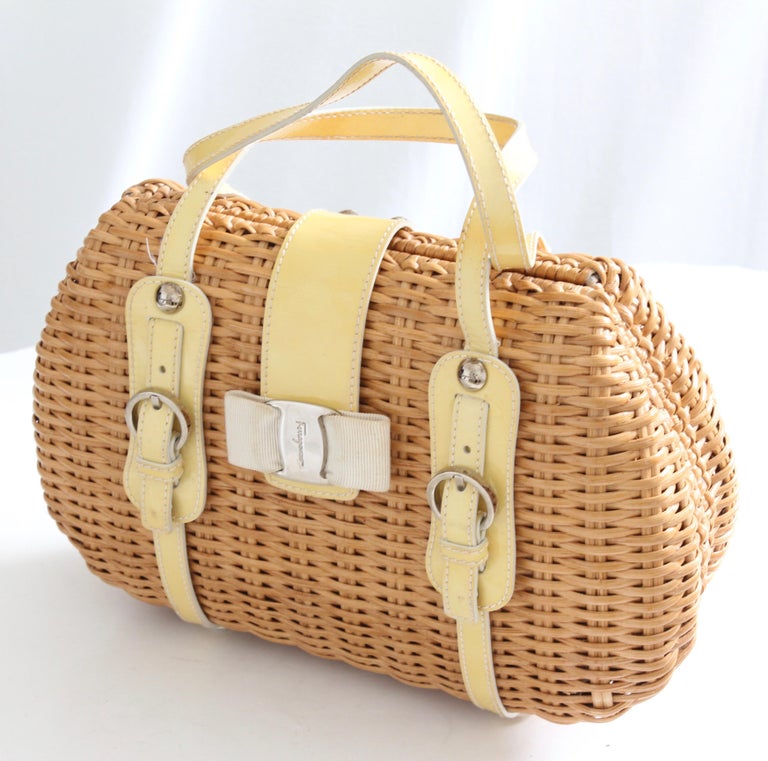
If you’re just beginning a first designer bag collection, starting with a mid-sized crossbody featuring the miniature Gancini accent offers a lower financial commitment while still bearing the brand’s signature detail. Longtime collectors often are drawn to archival or limited styles precisely since the hardware echoes an earlier era of the house’s design language, before mass production scaled up. Either way, a customer in the present day has greater access to records and more reference points than at any earlier moment in the brand’s history, making it easier to choose confidently instead of by guesswork.

Comments are closed.